
By Bunmi Yekini
Doctors Without Borders (MSF) has expanded its operations in Mueda town, northern Mozambique, following a fresh wave of violence that has forced more than 92,000 people to flee their homes in Cabo Delgado and neighbouring Nampula provinces since late September, according to the International Organization for Migration (IOM).
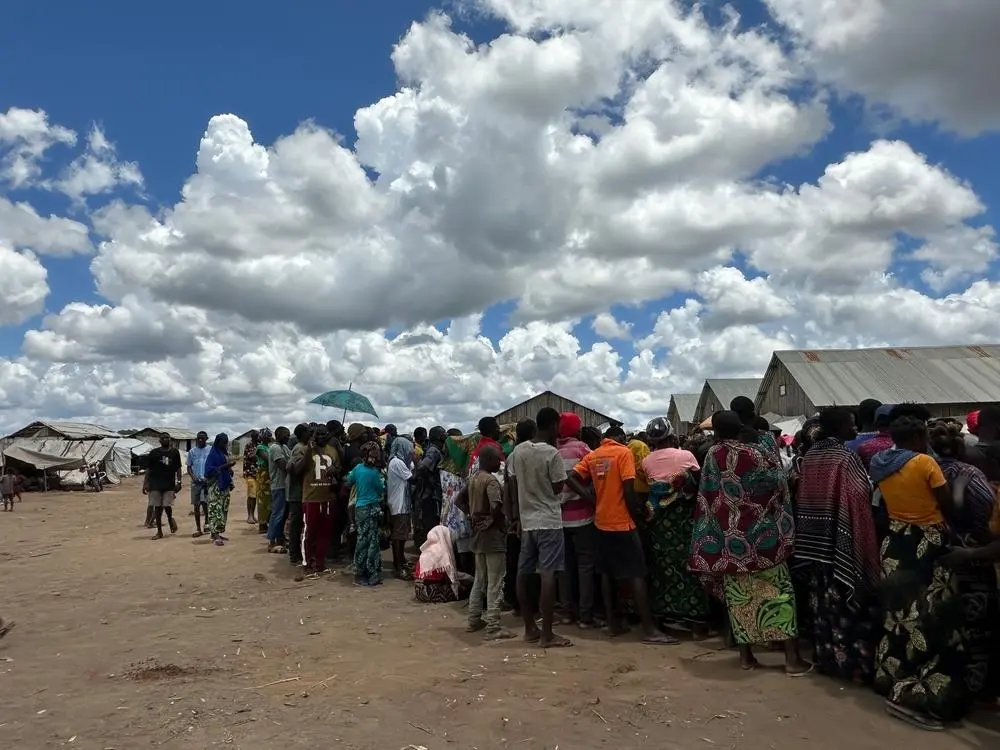
The aid group said around 23,000 people have arrived in Mueda after repeated attacks by a non-state armed group in Mocímboa da Praia and nearby areas, exacerbating the region’s long-running humanitarian crisis.
MSF has strengthened activities in three displacement camps, Eduardo Mondlane, Nandimba and Lianda, where it has operated since 2021, and recently started new interventions in Nanili, a border community between Mueda and Mocímboa da Praia districts.
“Our health promoters and community health workers are sensitising communities on hygiene and disease prevention and ensuring the referral system for medical care remains functional,” MSF said in a statement.
Between Oct. 3 and 15, MSF teams visited nearly 1,000 families across the camps, referring 315 people in need of medical care to Mueda District Hospital or nearby health centres. They also held more than 400 health education sessions, reaching over 4,500 people.
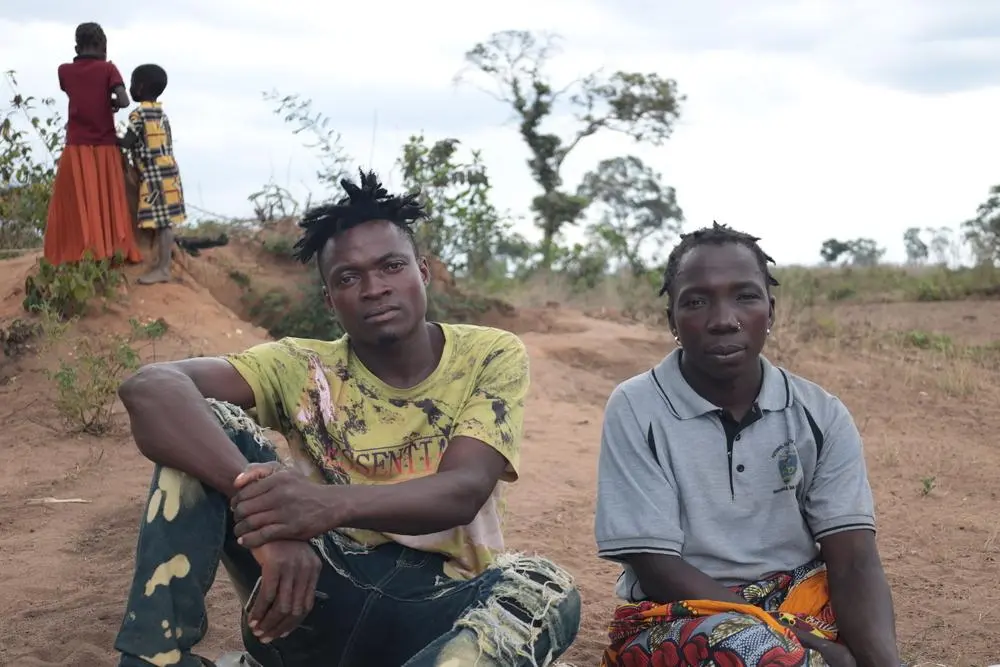
Many of the new arrivals have been displaced multiple times during the eight-year conflict in Cabo Delgado, often returning to the same camps. “We had no money, so we came here on foot. It took us about three days,” said Saidia Albino, who fled Mocímboa da Praia with his wife and three children. “This is the second time we’ve come to Mueda. The fighting started again, and everyone was leaving, there was no reason to stay.”
Beyond physical needs, MSF said it is addressing the psychological toll of the conflict. The organisation has launched mental health and psychosocial support programmes, conducting 65 group sessions with more than 600 participants. The most common conditions reported are anxiety, psychosomatic and post-traumatic symptoms.
“Even if we don’t see many acute medical emergencies at the moment, health needs persist,” said Pedro Basílio, MSF’s outreach supervisor. “The local health system is unable to cope with the continuous arrival of people seeking safety, which puts pressure on already stretched resources.”
Living conditions in the camps are worsening as access to safe water and sanitation declines, raising fears of waterborne diseases with the approaching rainy season.
Violence in Cabo Delgado has intensified in recent months, spreading to districts including Mocímboa da Praia, Balama, Montepuez and Chiúre, and spilling into neighbouring Nampula and Niassa provinces.
MSF was forced to suspend activities in Mocímboa da Praia in late September due to insecurity. The organisation continues to run medical projects in Palma and Macomia while assessing new displacement sites across Mueda and Mocímboa da Praia districts.