
By Bunmi Yekini
Africa will be home to nearly one billion adolescents by 2050, a demographic shift expected to sharply increase the number of pregnant women and young mothers, underscoring the urgent need for tailored health and social services, a researcher said on Wednesday.
Associate Professor Elona Toska of the University of Cape Town (UCT) told delegates at the 3rd African Workshop on Women and HIV that without targeted support systems, adolescent mothers, particularly those living with or affected by HIV, risk being left behind in care and prevention efforts.
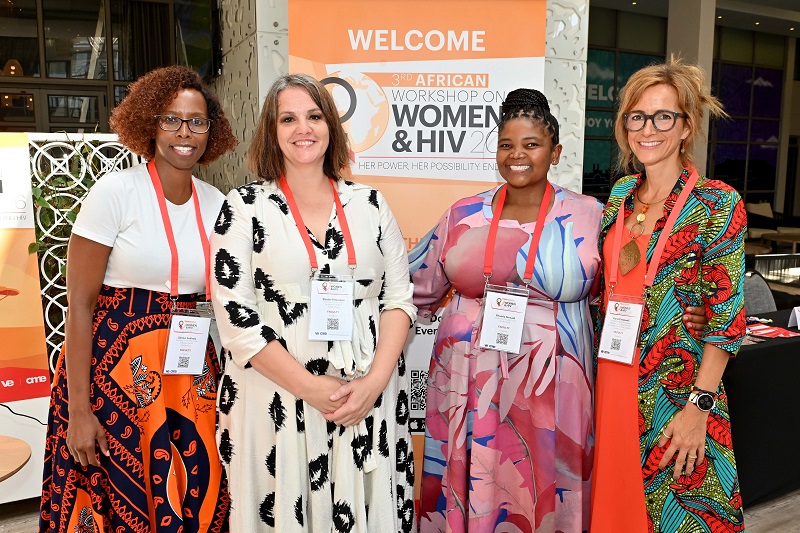
The two-day workshop, held in Cape Town from March 12 to 13, focuses on improving the quality of life for women living with HIV, reducing transmission rates and strengthening integrated care systems.
Toska presented findings from a study examining a multi-pronged referral system designed to support adolescent mothers in South Africa, many of whom face overlapping challenges including poverty, violence, disrupted education and HIV exposure.
“Adolescence is a period where risks intersect,” she said, noting that early pregnancy and HIV exposure often share common drivers such as social vulnerability and limited access to services.
Her research, part of the “Hey Baby” project, a collaboration between UCT and the University of Oxford, has followed more than 1,000 adolescent mothers in the Eastern Cape since 2018. The cohort now includes around 1,700 children.
About one-third of the young mothers in the study are living with HIV, Toska said, adding that their needs are often more complex due to concerns about their own health and the potential exposure of their children during pregnancy, birth or breastfeeding.
The study draws on detailed interviews conducted between 2020 and 2025 with 630 participants, covering issues such as mental health, exposure to violence, schooling, food security and adherence to antiretroviral treatment.
Based on responses, researchers implemented a referral system categorised into emergency and non-emergency interventions. Emergency referrals included urgent responses to sexual abuse, suicidal thoughts and lapses in HIV treatment, while non-emergency support ranged from counselling and food aid to assistance accessing child support grants.
Findings showed that about one-third of participants required at least one referral, while 10% needed multiple interventions over time. Adolescent mothers living with HIV were 47% more likely to require support services.
In contrast, those who remained in school were significantly less likely to need referrals, highlighting the protective role of education, Toska said.
“Keeping young mothers in school is critical,” she said. “Their needs also change over time, so support systems must be flexible and responsive.”
The study also found that not all participants were ready to accept help when it was first offered, pointing to the importance of timing and trust in delivering effective interventions.
As Africa’s youth population continues to grow, Toska said policymakers must prioritise integrated, adolescent-friendly services that address both health and social needs.
“Supporting young mothers is not just about healthcare,” she said. “It’s about enabling them to lead stable, fulfilling lives.”