
By Hassan Danboyi
Nigeria’s Taraba state is facing mounting criticism over deteriorating infrastructure and political inaction, as residents and observers highlight the prolonged collapse of a key bridge and worsening road conditions that have disrupted livelihoods and raised safety concerns.
The Namnai bridge, a vital link connecting Taraba to parts of northeastern and southeastern Nigeria, has remained unusable since it collapsed in August 2024, with no clear timeline for reconstruction. The route is critical for transporting agricultural produce, livestock and goods, and its absence has strained local economies and increased risks for commuters relying on improvised crossings.
Residents say repeated flooding has turned the site into a hazard, with reports of vehicles and passengers swept away while attempting to cross using makeshift wooden ferries. The situation contrasts with a similar bridge collapse in Bauchi state linking Adamawa, which authorities rebuilt within a shorter period.
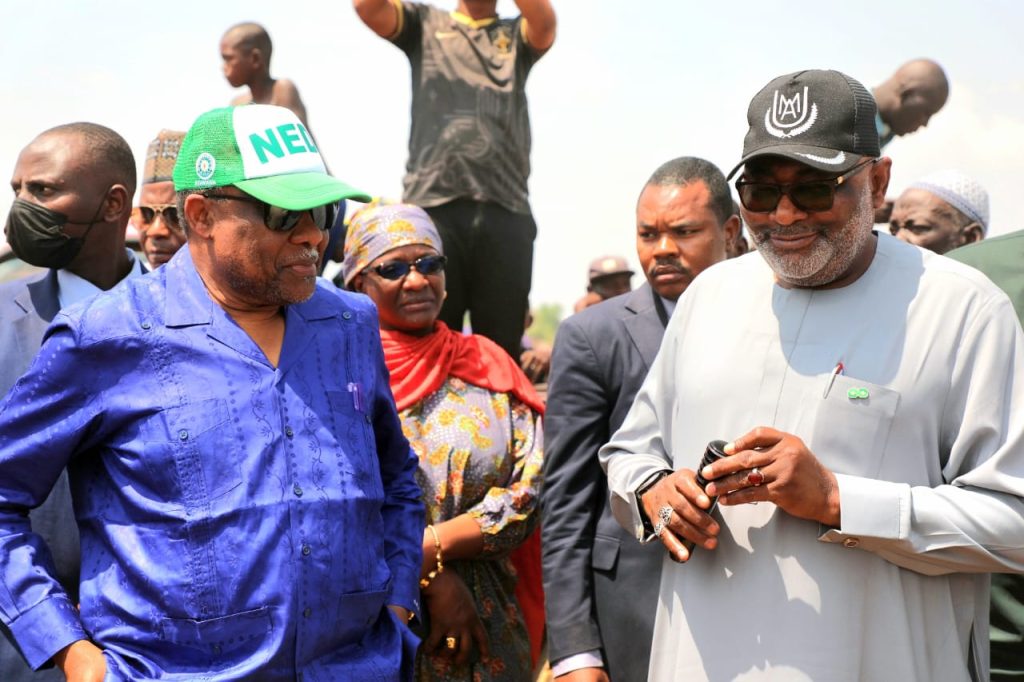
Critics accuse political leaders across state and federal levels of failing to coordinate efforts to address the crisis, instead trading blame over responsibility for reconstruction. Officials from agencies including the North-East Development Commission (NEDC) and the National Inland Waterways Authority (NIWA) have visited the site, but tangible progress has yet to materialise.
Governor Agbu Kefas, whose home region is directly affected by the disrupted route, has also come under pressure from residents demanding urgent intervention.
Beyond the bridge, poor road infrastructure across the state, including the Jalingo–Numan road and rural linkages, has compounded transportation challenges, with some routes reportedly in disrepair for more than a decade.
Analysts say the situation underscores broader concerns about governance and accountability, particularly as elections draw closer. Voters are increasingly being urged to scrutinise candidates’ track records and prioritise leaders who address basic public needs such as safe transport and economic access.
The infrastructure gap has also affected trade flows to Nigeria’s southeast, reducing income for farmers and businesses that depend on the corridor.
Observers warn that prolonged neglect of critical infrastructure risks deepening economic hardship and eroding public trust in government institutions, as communities continue to grapple with the consequences of limited connectivity and unsafe transit routes.