
At least 340 houses destroyed in three days of clashes between Mambilla residents and Fulani herders, with casualties yet to be confirmed.
By Saidu Adamu, Jalingo
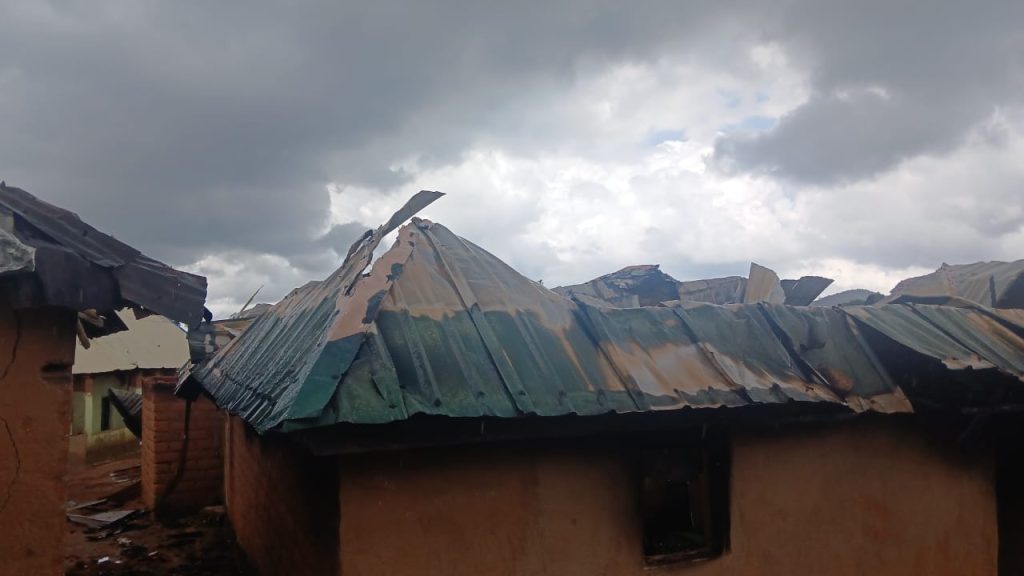
More than 1,000 people, mostly women and children, have been displaced following three days of communal violence between Mambilla residents and Fulani herders in Taraba State, northeastern Nigeria, community leaders and local authorities said.
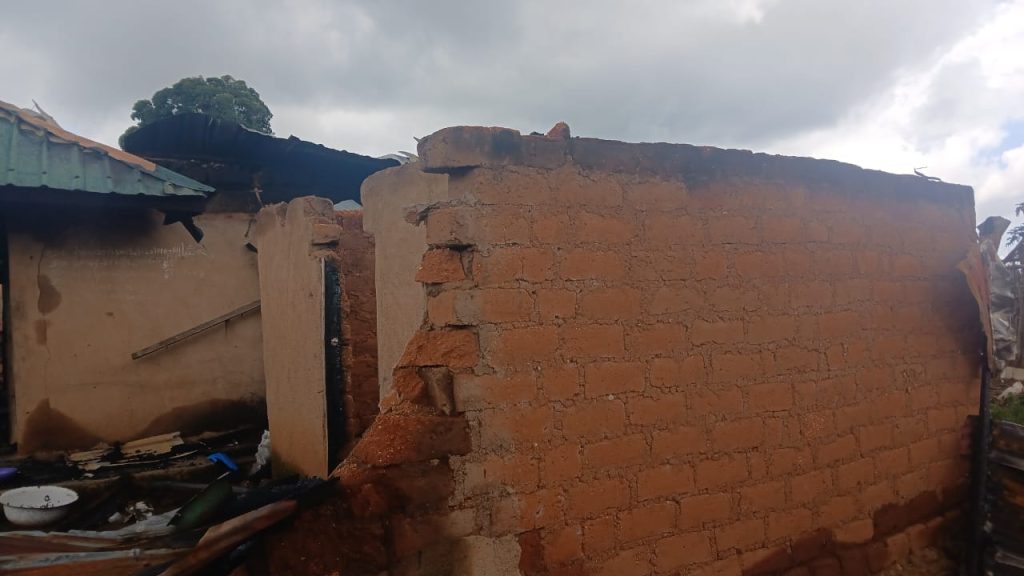
The clashes, which occurred between September 16 and 18 in Geroji settlements in Mbamnga Ward of Sardauna Local Government Area, left about 340 houses burnt, forcing residents to flee to neighbouring communities and Cameroon.
The number of people killed remains unclear, although eyewitnesses and community leaders reported fatalities, including a Department of State Services (DSS) officer. Several people were also reported missing.
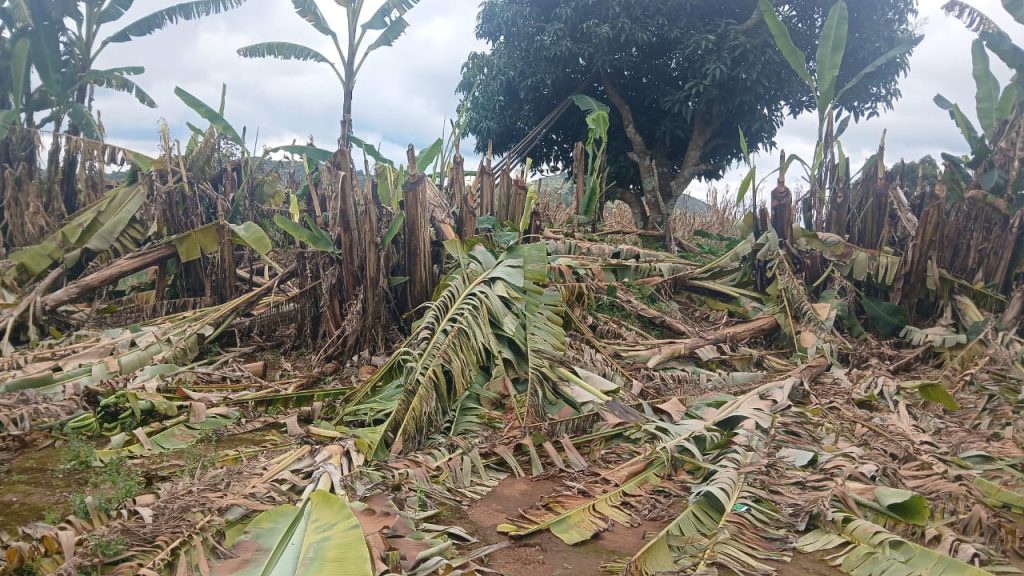
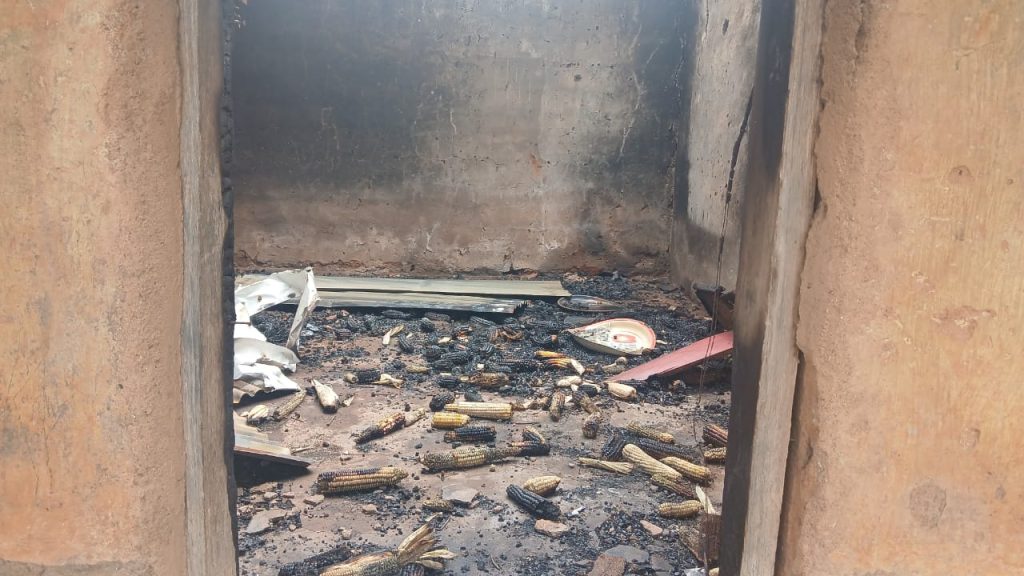
Community leader Ardo Bashiru said the violence destroyed homes, food supplies and other sources of livelihood across Geroji and Mbara settlements, leaving hundreds of families without shelter or food.
He said livestock, including cattle and sheep, were also killed or stolen during the clashes.
Bashiru appealed to the government and humanitarian organisations to provide urgent assistance to the displaced, warning that the rainy season had worsened their living conditions.
The affected settlements include Wuro Buba, Wuro Ardo Bashiru, Wuro Wakili Idrisa, Wuro Saleh Petel and Wuro Hassan Jaji.
Sardauna Local Government Chairman Mohammed Umar said the violence began with a confrontation between a Mambilla woman and a Fulani man on a farm before escalating into widespread communal clashes.
Umar described the incident as unfortunate and warned that anyone found disrupting peaceful coexistence in the area would face the law.
He said the Taraba State Government had facilitated the deployment of security personnel to the affected communities and completed arrangements to repatriate residents who fled to Nyang in Cameroon’s Donga-Mantung Division.
The chairman also appealed for humanitarian assistance to support the resettlement and rehabilitation of displaced families.
The Chief of Mbamnga, Abubakar Saleh, urged residents to remain calm, describing the two communities as people who had lived together peacefully for decades.
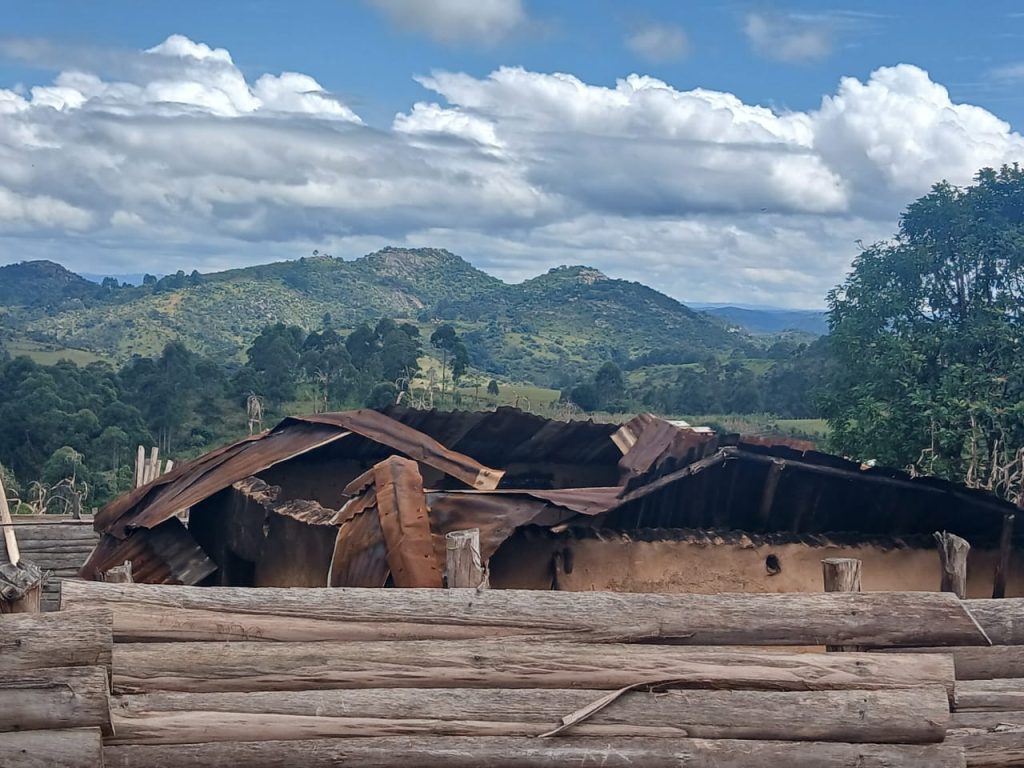
He said efforts were underway to prevent a recurrence of the violence, which he described as the first of its kind in his domain.
The latest clashes have revived concerns about recurring communal violence on the Mambilla Plateau, where similar incidents in 2017 and 2018 left hundreds dead and destroyed property worth millions of naira.