
Cost, stock-outs, provider bias and misinformation are turning contraceptive choice into a struggle for many women and girls
By Bunmi Yekini

The woman walks into a health facility wanting something that, on paper, should be simple: contraception. She may know the method she wants. She may have made up her mind about whether she wants children now, later or at all. But before she leaves, she may have to answer questions she did not expect.
Why do you need contraception?
Are you married?
What will your parents say?
Does your husband agree?
For an unmarried young woman, the questions can feel like an interrogation. For a woman with little money, the cost of transport and consultation may be enough to make the journey impossible. For a woman living far from a health facility, distance can become another form of denial.
And even when she reaches the clinic, there is no guarantee that the method she wants will be available.
This is the uncomfortable gap at the heart of Nigeria’s contraception debate: having contraceptives somewhere in the health system is not the same as giving women access to them.
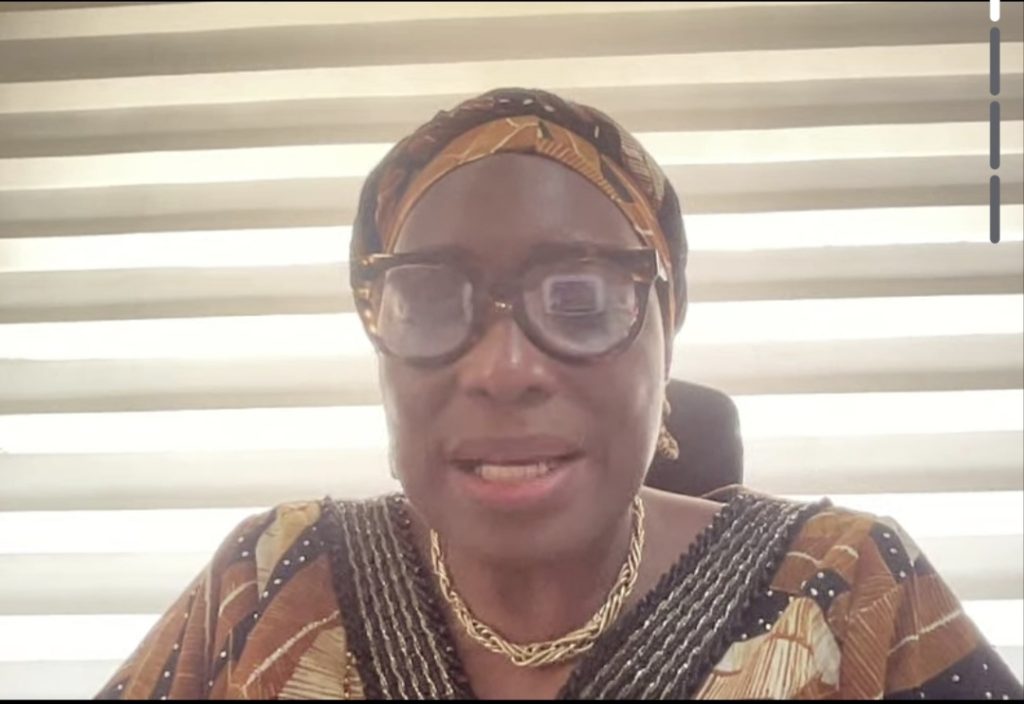
“Availability is not the same as access,” Dr. Moriam Jagun, executive director of the Centre for Bridging Health Gaps said during a webinar to mark this year’s World Contraception Day organised by the Network of Reproductive Health Journalists of Nigeria.
Her point cuts through one of the simplest assumptions about family planning, that if contraceptives are available, women who need them will use them.
The reality is more complicated
Jagun described access across five dimensions: whether a woman can afford the method and the journey to obtain it; whether the service is physically reachable; whether she can seek it without stigma; whether cultural, religious or family pressures allow her to do so; and whether she has accurate information about her options.
A contraceptive can be sitting on a clinic shelf and still be effectively inaccessible.
The clinic door is only one barrier
For a woman living on a tight income, the price of contraception may be only one part of the calculation. There can be transport costs, consultation fees, time away from work and, in some cases, unofficial payments.
For a woman with a disability, the physical design of a facility can create another obstacle. For an adolescent, the barrier may be the fear of being judged. And for many women, the decision does not happen in isolation.
Partners, parents, in-laws, religious beliefs and community expectations can all influence whether contraception is viewed as responsible family planning or as evidence of promiscuity.
Jagun warned that provider attitudes can reinforce those pressures. A health worker may have professional responsibility to provide information and services, but personal beliefs can enter the consultation.
A young unmarried woman seeking contraception may be asked why she needs it or what her parents would say. The result is that a service intended to give women greater control over their reproductive lives can become another place where someone else decides whether they should have that control.
The question, Jagun argued, should not be whether a provider approves of a client’s decision. It should be whether the client has been properly informed and is free to make it.
When fear becomes information
The barriers do not stop at the health facility. Women and girls also have to navigate a crowded information environment where accurate medical advice competes with rumours, personal anecdotes and misinformation.
Fear of infertility, cancer, abnormal bleeding and other side effects can discourage women from using contraception.
Jagun said those concerns should not simply be dismissed as myths. They need to be heard and addressed honestly.
That matters because informed choice is different from simply persuading someone to accept a contraceptive method.
A successful family planning encounter, she said, should mean that a woman received information, understood her options, made a decision freely and knows she can change or stop using a method.
That distinction is particularly important as younger Nigerians increasingly search for answers online.
Oluyinka Shokunbi, president of the Network of Reproductive Health Journalists of Nigeria, said parents’ reluctance to discuss sexual health with children has helped create an information vacuum.
Social media and artificial intelligence are increasingly filling it. But the internet does not distinguish automatically between reliable health information and dangerous misinformation.
The new first responder
Alu Azege, executive director of Media, Health and Rights Initiative of Nigeria, described the changing information landscape as both an opportunity and a threat.
Social media has created private spaces where young people can ask questions they might never ask aloud. Azege cited Love Matters Naija, which she said has reached more than 800,000 community members with judgement-free sexual and reproductive health information.
But the same platforms that allow young people to find information without embarrassment can also make misinformation travel faster than corrections.
Her presentation warned that algorithmic systems can sometimes suppress contraception-related content while allowing questionable remedies to circulate.
Artificial intelligence adds another layer.
AI tools can provide private, always-on support and potentially communicate in a user’s language and context. But Azege warned that systems trained on data that do not adequately reflect Nigerian realities can produce irrelevant advice or reinforce stigma.
There is also a risk that the people who most need reliable information, those with limited connectivity, fewer resources or little digital access, could be the least likely to receive it.
The challenge, therefore, is not simply putting more reproductive health information online. It is making sure that information is accurate, culturally relevant, accessible and connected to human care.
The women hidden by the average
There is another danger in talking about Nigeria’s contraceptive needs only through national averages. The woman in an urban centre with a nearby private clinic does not necessarily experience contraception in the same way as a woman in a rural community. An educated adult does not necessarily face the same barriers as an adolescent.
A woman without a disability does not encounter a health facility in the same way as someone who cannot use stairs or navigate an inaccessible building. Jagun said rural women, adolescents, women with disabilities and other marginalised populations require deliberate attention because universal access will not happen by accident.
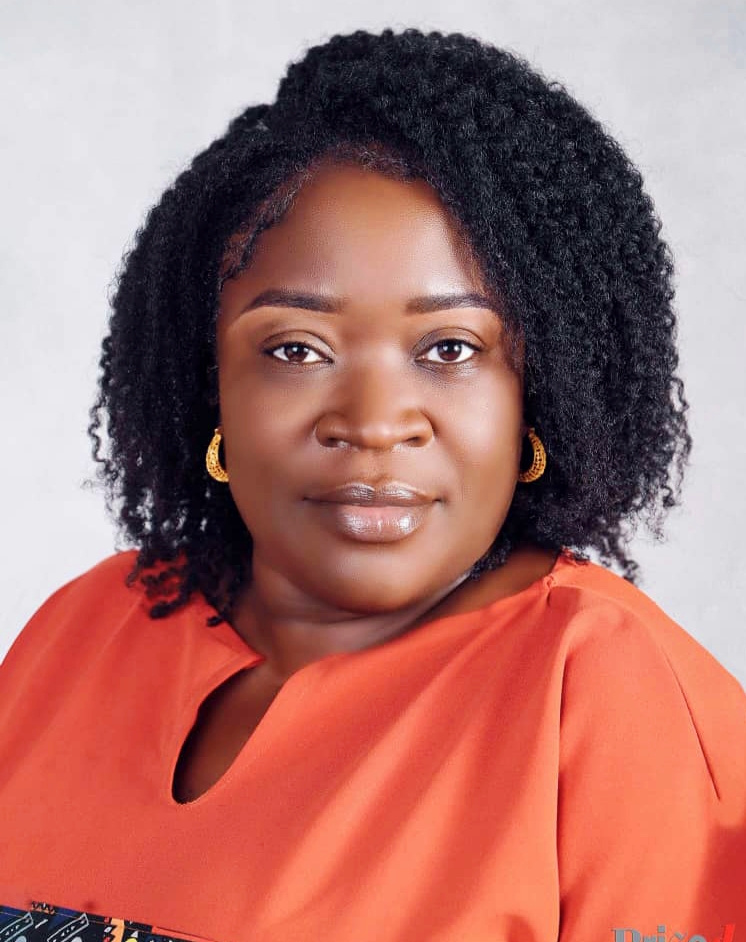
Azege’s presentation similarly challenged the idea that the word “all” in the World Contraception Day theme is simply rhetorical. It includes unmarried young women, adolescent girls, widows, market women and students, groups that may encounter different forms of exclusion.
The implication is stark: a national contraceptive programme can appear successful in aggregate while still failing the women who face the greatest barriers.
When the commodity is there, but the system isn’t
Azege’s presentation reframed Nigeria’s contraceptive challenge as a delivery problem. She cited an estimated 15% to 20% of married women as having an unmet need for contraception, arguing that these women already want family planning but are not being adequately served.
The presentation also highlighted an uneven supply chain, with commodities potentially unavailable in one location while stocks expire elsewhere.
That raises a question that goes beyond procurement: What happens between the moment a contraceptive enters the health system and the moment a woman needs it?
If a method is purchased but does not reach the facility where it is needed, the expenditure has not translated into access.
If it reaches the facility but is locked behind provider bias, it has not translated into choice. If the method is available but the woman cannot afford the consultation or transport, it has not translated into access.
And if she reaches the clinic but leaves because she was shamed, the system may have recorded the commodity as available while the woman experienced it as unavailable.
That is why Azege’s presentation described the problem as one of delivery rather than simply demand.
The accountability question
The responsibility does not rest with women to overcome every barrier themselves. The government has to address policy and financing barriers.
Programmes have to identify who is being missed. Health facilities have to provide privacy, accessible services and reliable commodities. Providers have to confront bias. Communities have to challenge stigma and misinformation. And the media has to scrutinise the system rather than merely repeat its announcements.
Traditional media remains particularly important in this equation because radio and television can reach audiences beyond the digital spaces where younger Nigerians increasingly seek information.
Azege urged journalists to use that reach to verify claims, debunk myths and ask officials why facilities are stocked out when budgets and procurement systems are supposed to prevent shortages.
As it stands, contraception is no longer simply a health story. It is a story about public financing, supply chains, provider conduct, information systems, gender, culture and accountability.
A choice – or permission?
Nigeria’s World Contraception Day message was built around three words: agency, intention and access.
Agency means a woman deciding for herself. Intention means having the ability to plan whether and when to have children. Access means having the method she needs, when she needs it, at a cost she can afford, from a provider who respects her decision.
Put together, those three ideas expose the gap between a policy promise and a woman’s lived experience.
The ultimate test is not how many contraceptives are sitting in warehouses. It is not even how many facilities report having commodities.
It is whether a woman who walks into a clinic, or seeks information online, can find accurate information, understand her options, obtain the method she chooses and use it without coercion, shame or unnecessary barriers.
For the woman standing at the clinic door, that distinction is everything.
Because contraception only becomes a choice when the system allows her to make one.
As Azege’s presentation put it: “Nigerian women have already chosen. The question is whether this country will finally deliver.”