
The climate journalist says slow progress on finance and fossil fuel commitments raises concerns, while developing countries continue to demand greater support from wealthier nations.
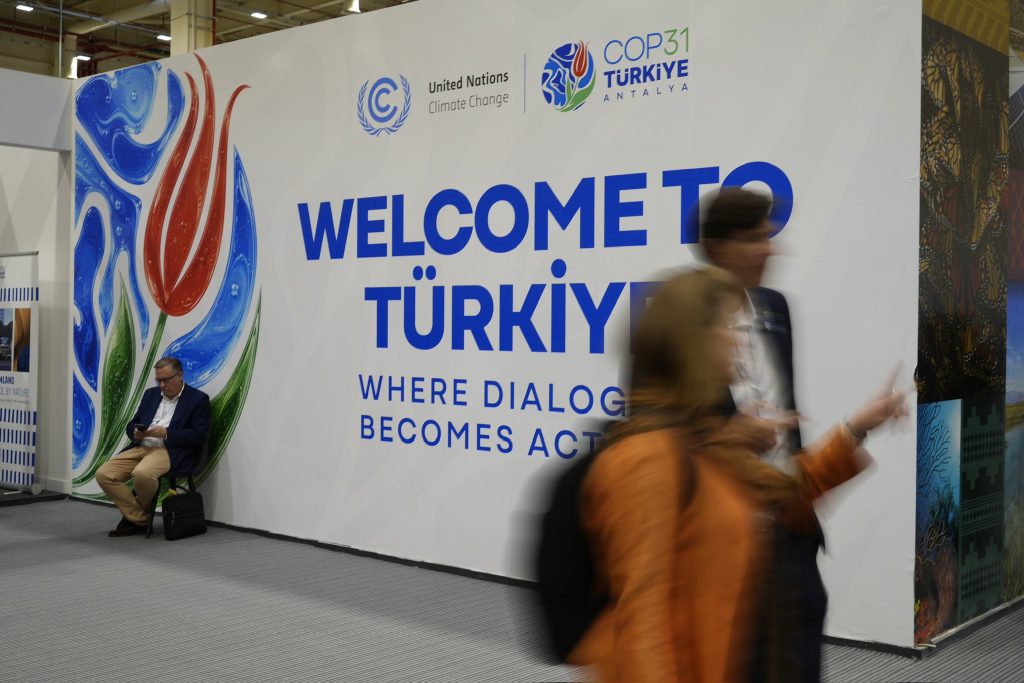
As COP31 enters its second week, negotiations on climate finance, adaptation, fossil fuels and the energy transition remain difficult, with developing countries pushing for greater financial support from wealthier nations. In an exclusive interview with HeapNews, Fermin Koop, an Argentine environmental and climate journalist assesses the progress made during the first week, the political dynamics shaping the negotiations and what countries could realistically expect from the conference.
Koop, who has covered 11 climate conferences on site, also discusses the challenges facing developing countries, the prospects for stronger commitments on fossil fuels and why the implementation of climate agreements at the national level remains critical.
Q: Now that COP31 has entered its second week, how would you assess the first week of the conference? What were the major developments, and what would you consider the significant achievements?
A: Brazil, which presided over COP30, came to this conference with two major roadmaps: one on deforestation and the other on transitioning away from fossil fuels. These are voluntary documents presented by Brazil for countries to adopt and take home to develop national pathways towards reducing deforestation and moving away from fossil fuels. The question now is what implications these roadmaps will have on the ground. So far, 11 countries have developed national roadmaps for transitioning away from fossil fuels. It is still a relatively low number, but there are expectations that more countries will sign up.
There has also been considerable discussion, as happens at most COPs, around climate finance. Developing countries have been asking for an increase in climate finance, particularly for adaptation. However, progress has been quite slow so far. As we enter the second week, we are waiting to see whether there will be more positive signals, although there are concerns. There is also a debate about the role of science and how countries will refer to the IPCC, the UN’s panel of climate scientists, in the final text. There is considerable discussion about whether countries will push ahead with climate research or delay it. That is yet to be seen.
The first draft texts covering different areas of the negotiations, from finance to adaptation and mitigation, are beginning to emerge. However, progress has been slow. By Wednesday, we should have seen more progress. So the state of play is a little concerning.
Ministers from different governments have now arrived at COP. The expectation is that they will provide some political momentum to the negotiations and help move things forward during the final stretch.
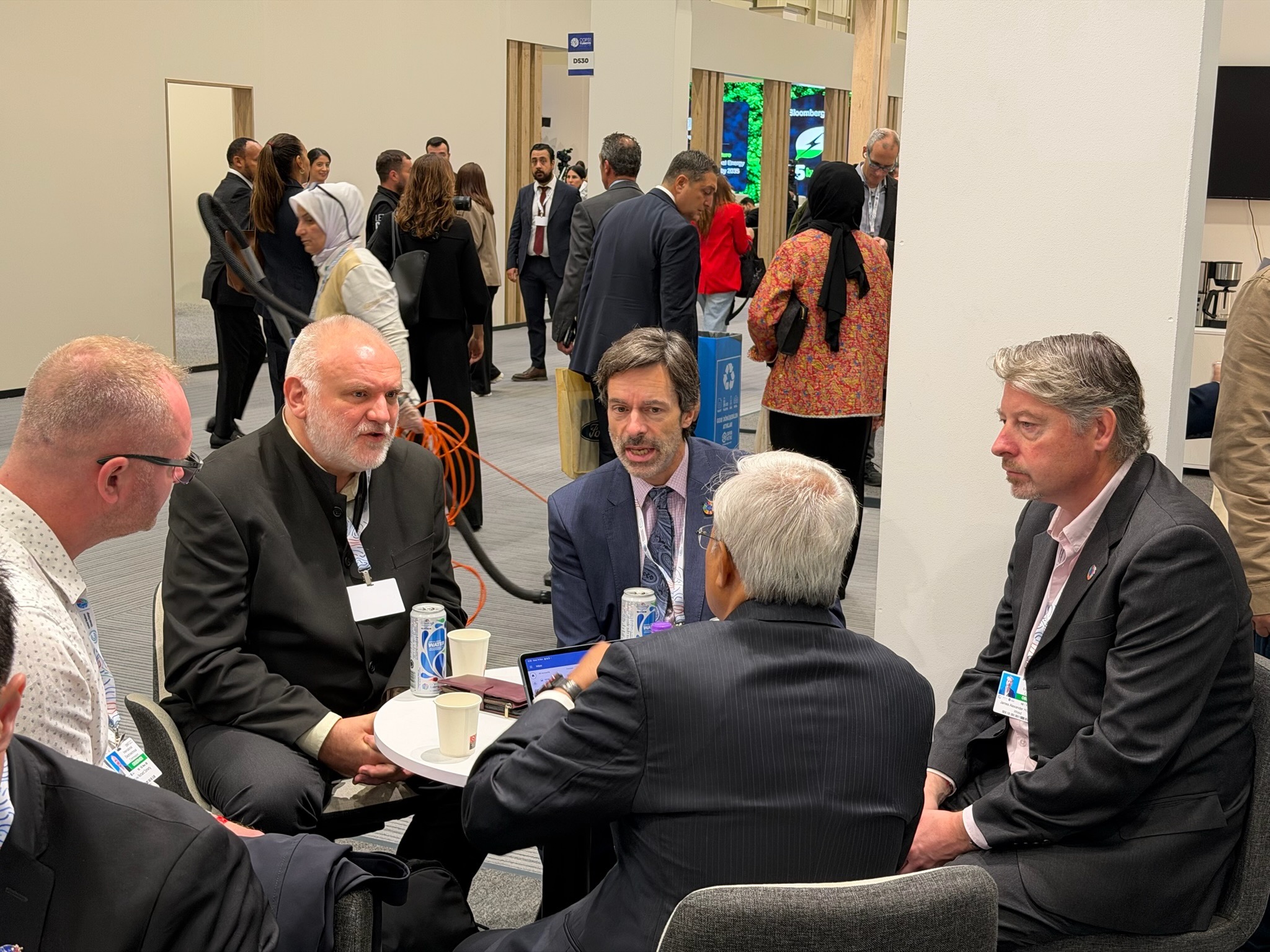
Q: There were several announcements and political commitments during the first week, but how much actual progress was made in the negotiations? Were countries able to move beyond familiar promises?
A: Not much, unfortunately. Progress during the first week has been quite slow. There have been many voluntary pledges and announcements, but we have not seen real action yet, which is concerning. Usually, the dynamics at COP are such that we see some movement during the second week compared with the first.
However, we are already on a Wednesday, and it is concerning that we are not seeing much action. We should be making more progress by now. This basically indicates that the negotiations will probably end quite late. They are supposed to finish on Friday, but it is more likely that they will continue until Saturday or even Sunday because countries need more time.
I also think one reason for this is the broader geopolitical situation and the debates around multilateralism. Discussions about wars, energy and politics all influence the COP. The differences countries have outside the conference are carried into the negotiations.
Those tensions and difficulties are also reflected in how countries negotiate with one another.
Q: What issues proved particularly difficult for negotiators to resolve before the transition to the ministerial phase?
A: There are two or three major issues. Money is probably the main one because developed countries have been reducing their climate finance during 2026, creating considerable pressure from developing countries to increase funding.
The question is: where will that money come from? Developed countries want emerging economies such as China and Brazil to contribute to the climate fund, but those emerging economies do not want to do so. There are also discussions about expanding the use of carbon markets as a way of increasing finance. However, developing countries have been quite critical of this proposal.
Money is always a major topic at COPs, particularly nowadays, when so many countries face economic restrictions. It has been quite difficult, especially when it comes to funding for adaptation. Adaptation is a major issue here, and historically it has received less funding than mitigation. There is therefore pressure to increase financing for adaptation.
Another major issue is fossil fuels. As I mentioned earlier, we now have this global roadmap for transitioning away from fossil fuels, but it is voluntary. The question is whether countries will adopt it and implement it at the national level. There is also the question of how fossil fuels will be mentioned in the final COP documents, which is not yet clear.
At COP28, countries included a reference to fossil fuels in the final agreement for the first time. It took 28 years to get that mention. Since countries included the commitment to transition away from fossil fuels in the text, getting those words included again has been very difficult. Every year at COP, we see the same debate.
There is considerable resistance from oil-producing countries, particularly Arab countries such as Saudi Arabia, which oppose any wording on the issue in the final text.
Q: Fossil fuels have always been a contentious issue, particularly the language around transitioning away from fossil fuels versus a more explicit phase-out. Do you see any possibility of countries agreeing on stronger language at this COP?
A: No, I do not think that is possible, unfortunately.
I think the global energy crisis, the war in Iran and the debates around the Strait of Hormuz have made countries more resistant to stronger language on fossil fuels. Many countries want to achieve what they call energy security or energy independence. This is leading them to push for more fossil fuels and increased extraction. This is happening despite the fact that renewable energy is becoming cheaper every year, with prices continuing to fall.
It is a difficult discussion, particularly for developing countries, because many of them are still betting on fossil fuels and do not want to stop. Their argument is essentially that they did not cause the climate crisis and that developed countries bear responsibility for it. They want support to transition away from fossil fuels, but the money is not coming in. That is the problem.
However, we need more concrete steps on fossil fuels to address the climate crisis. As you know, several scientific reports are published around COP, and one of the findings is that we are already exceeding the 1.5 degrees Celsius target of the Paris Agreement. This is a major problem because it means we are failing to meet the Paris Agreement’s target, and the consequences of the climate crisis will become more severe. That is why we need stronger language and action on fossil fuels.
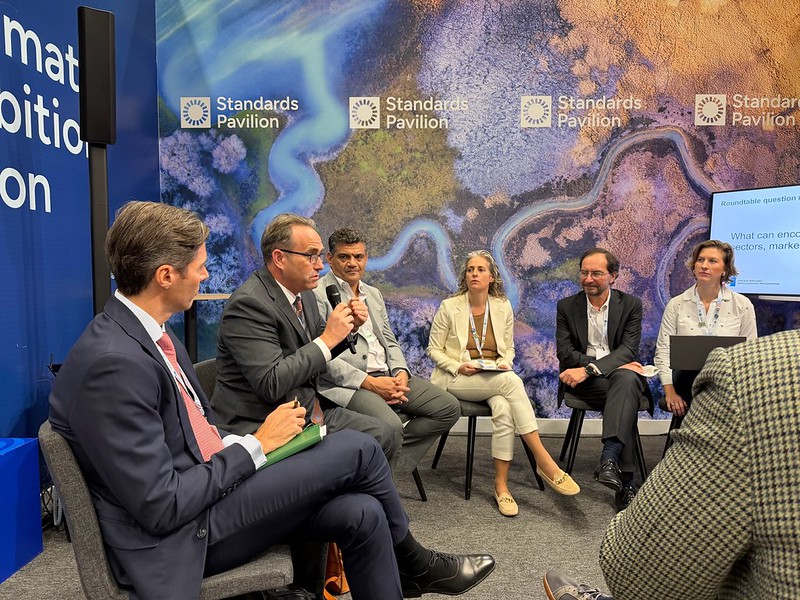
Q: There are also disagreements around the proposed increase in adaptation finance, just transition and the role of electrification. How are these issues shaping the negotiations, and which ones do you think could produce concrete outcomes?
A: One of the headlines of this COP is definitely electrification. This is a proposal presented by Turkey, as the COP presidency, to achieve 35 per cent electrification by 2045.
It is a practical way of lowering emissions because many sectors in different countries still rely on fossil fuels when they could instead be electrified. I am thinking, for example, of transportation, industry, cement and concrete production, food manufacturing, beverage manufacturing and many others. The goal makes sense, and around 50 countries support the target so far.
However, it is a voluntary target, and the important question is how it will be reflected in the final text. That is yet to be confirmed. One important demand from countries is that the electrification goal should be powered by increased electricity generation from renewable sources. If we are increasing electricity use, that electricity should come from renewables rather than creating new energy from fossil fuels. That is the risk.
If we are going to electrify the economy, we will need more electricity. Where will that electricity come from? That is the question. We want it to come from renewable sources. That is something very likely to feature in the final text, and we expect to see a reference to electrification. Several scientific reports show that electrifying the economy can help reduce emissions, so that is a positive development. Another issue, as you mentioned, is the just transition. Last year at COP, countries agreed on what is called a Just Transition Mechanism. It is intended to support countries as they transition away from fossil fuels.
However, there is still little clarity about the mechanism’s rules. That is one of the issues we should be addressing here. So far, we have a draft text on the Just Transition Mechanism, but it is quite vague and lacks detail. We still have three or four days to go, so the text will probably improve. The idea is to establish the rules for the mechanism at this COP.
Q: You have covered several COPs. What, if anything, feels different about COP31 compared with previous climate conferences?
A: Well, it is the biggest one so far. We have 95,000 people, which is a lot, and it shows that there is considerable attention on the issue, which is always good. It also means that countries are engaged and participating in the process. Despite the global problems they face, they acknowledge that the climate crisis is here, want to remain engaged and are looking for solutions.
I think that is good news overall. Also, the fact that we are now at COP31, almost 30 years after the climate summit process began, shows that countries are still engaging in it despite the difficulties they face at home and the geopolitical challenges. I think that is a positive signal that there is still commitment to the process.
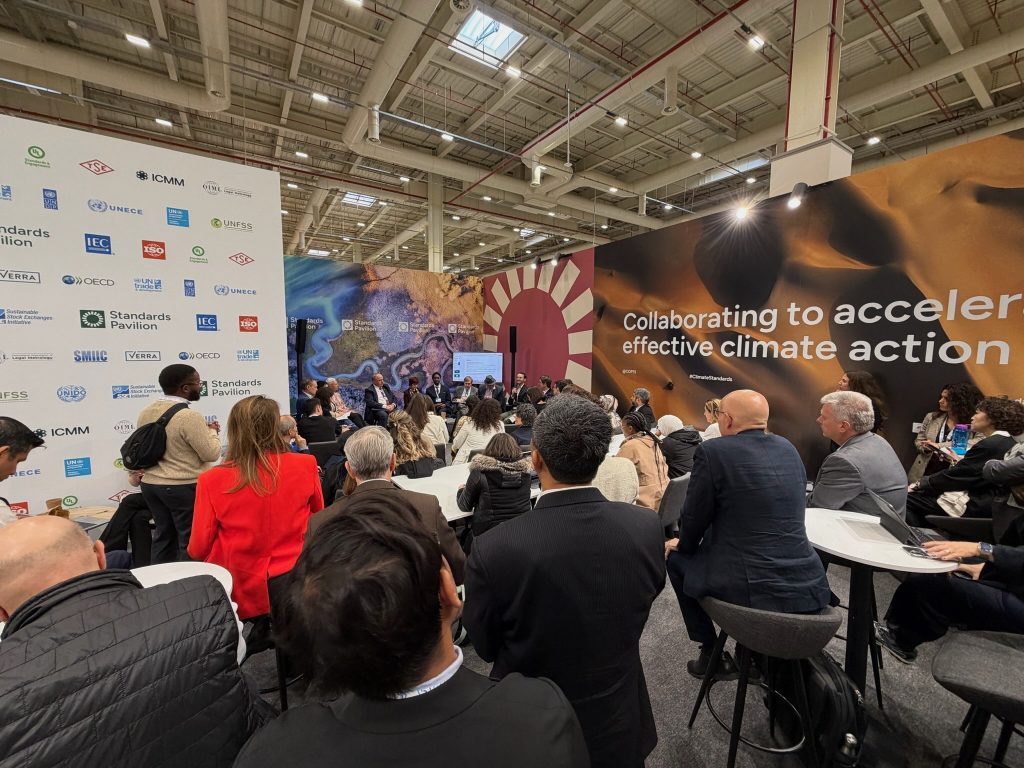
Q: Are developing countries negotiating from a position of strength, or are their priorities still being sidelined?
A: Unfortunately, their priorities are still being sidelined. Developing countries always come to COP with strong voices and clear agendas, seeking further commitments from developed countries.
If you listen to the speeches delivered by ministers and presidents at this COP, their message is largely about demanding greater responsibility from developed countries because they caused the climate crisis.
However, developed countries have been quite persistent in pushing back. They argue that developing countries should also be stepping up their efforts.
I think that is a bit unfair because the money should be coming from developed countries. They should be the ones stepping up.
When you listen to speeches by leaders from developing countries, they are mostly calling for support from developed countries, both for their economies and to help them deal with the impacts of the climate crisis. In most cases, the most visible effects of the climate crisis are being felt in developing countries. These countries also face a cycle of extreme weather events. A country is hit by an extreme weather event and has to take on debt and loans to recover. While it is still repaying that debt, another extreme weather event occurs, pushing it further into debt.
That is a really concerning problem for countries here. They want money to address the climate crisis, but they want funding that does not generate more debt. That is a very fair demand.
There are efforts by global organisations to change the system so that the money developing countries receive is provided as grants rather than loans, meaning they do not have to repay it.
Q: With the conference approaching its final days, how optimistic are you about the possibility of a meaningful agreement? What are the key compromises countries will need to make?
A: We are now in the final stretch, with the last three or four days remaining, depending on when the conference finishes. The negotiations are still quite stuck, but this is usually how the process works. We tend to see more progress towards the end of the conference, during the final few days. So it is very likely that we will get some commitments. However, they will probably not represent the ideal scenario for developing countries. They are more likely to be somewhere in the middle, which is how this process generally works.
Every decision adopted at COP has to be reached by consensus. This means every country has to be on board. Getting almost 200 countries to agree on something at the same time is extremely difficult. That is why negotiations are delayed, why we do not see much progress until the very end and why it is so difficult to achieve an ideal outcome. We usually end up somewhere in the middle. It may not be great, but it is not terrible either.
Q: Finally, when delegates leave Antalya, what should the world be looking at to determine whether COP31 has delivered meaningful progress or simply another set of promises?
A: Climate action does not begin or end at COPs. It is about what countries do at home. The issue is that countries need to take what they agree to at these conferences back to their respective countries and implement those commitments on the ground, within their national realities. Anything agreed here must be implemented at home. That is the key thing. We need to see action.
This applies to everything, from fossil fuels to agriculture and adaptation. Countries need to step up their efforts and be more ambitious.