
Programme targets zero-dose children in hard-to-reach communities after measles-rubella gains
By Bunmi Yekini
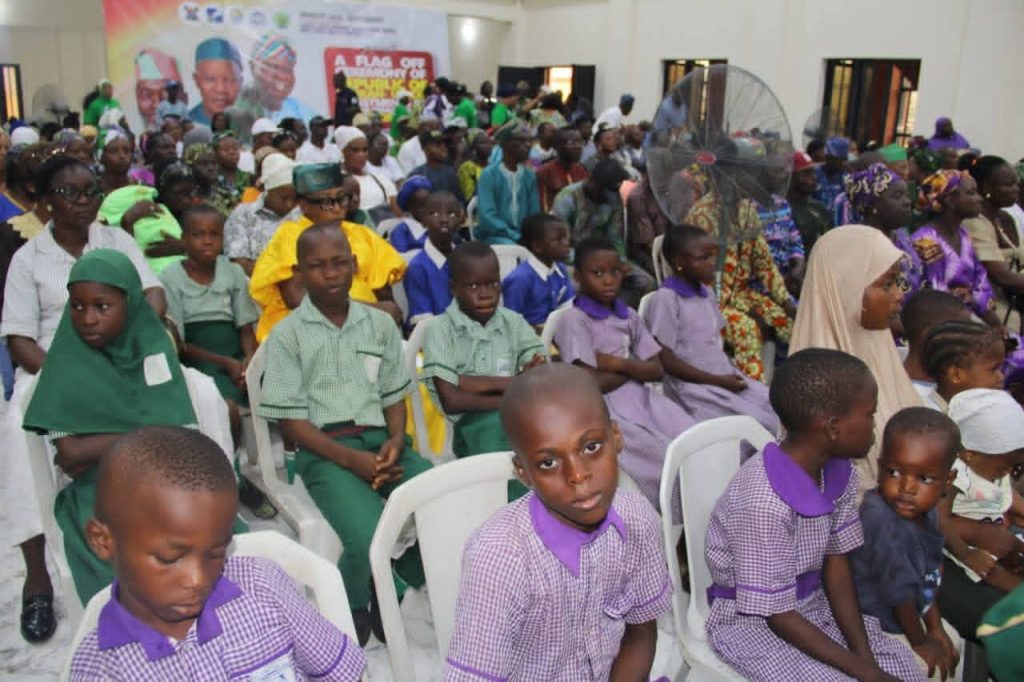
Nigeria’s federal government, in partnership with the Republic of Korea, Lagos State authorities and UNICEF, on Tuesday launched an initiative to strengthen routine immunisation in Africa’s most populous city, aiming to sustain recent gains and expand vaccine access to underserved communities.
The programme was flagged off at Badagry City Hall in Lagos, drawing government officials, diplomats, traditional leaders and health workers, as authorities warned that gaps remain despite strong performance in a recent measles-rubella campaign.
Officials said the effort aligns with the Lagos State government’s THEMES Plus and Greater Lagos Rising agendas, which prioritise healthcare access and disease prevention.
Representing the state’s health commissioner, Akin Abayomi, a director at the Lagos State Primary Health Care Board, Temitope Balogun, said the initiative marked a “significant milestone” in protecting children’s health in a fast-growing and complex urban environment.
“Lagos continues to experience population growth that presents both opportunities and challenges, particularly in ensuring equitable access to essential health services,” she said.
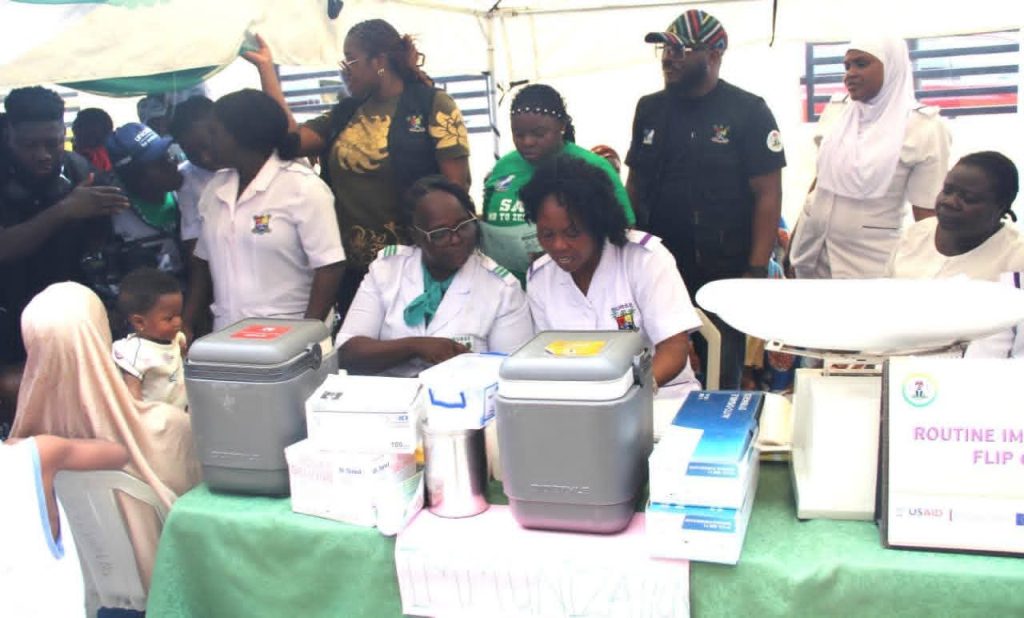
Balogun highlighted the persistence of “zero-dose” and under-immunised children, especially in riverine and hard-to-reach areas, describing it as a critical public health concern requiring targeted interventions.
She said support from South Korea and UNICEF would help authorities identify unvaccinated children, expand access to vaccines and strengthen frontline healthcare capacity.
Badagry Local Government Chairman Babatunde Hunpe said immunisation remained one of the most cost-effective public health tools, preventing diseases such as measles, polio, diphtheria and meningitis.
He noted that Badagry’s riverine, coastal and border communities have historically faced limited healthcare access, adding that the partnership would help close immunisation gaps and improve equity.
Permanent Secretary of Lagos State Health District V, Oladapo Asiyanbi, said the district’s strong showing in the measles-rubella campaign, which targeted children aged nine months to 14 years demonstrated effective planning and community mobilisation.
He said the district contributed to the state achieving about 95% vaccination coverage, with outreach conducted in markets, schools, religious centres and health facilities.
Asiyanbi added that strengthening routine immunisation would be critical to eliminating vaccine-preventable diseases and advancing universal health coverage.
He thanked development partners, including UNICEF, the Republic of Korea and the World Health Organisation, as well as state and local stakeholders, for supporting the programme.