
At a sensitisation programme in Lagos, health workers, advocates and community representatives examined how fear of judgement and discrimination can keep female sex workers and other vulnerable women away from the care they need.
By Bunmi Yekini
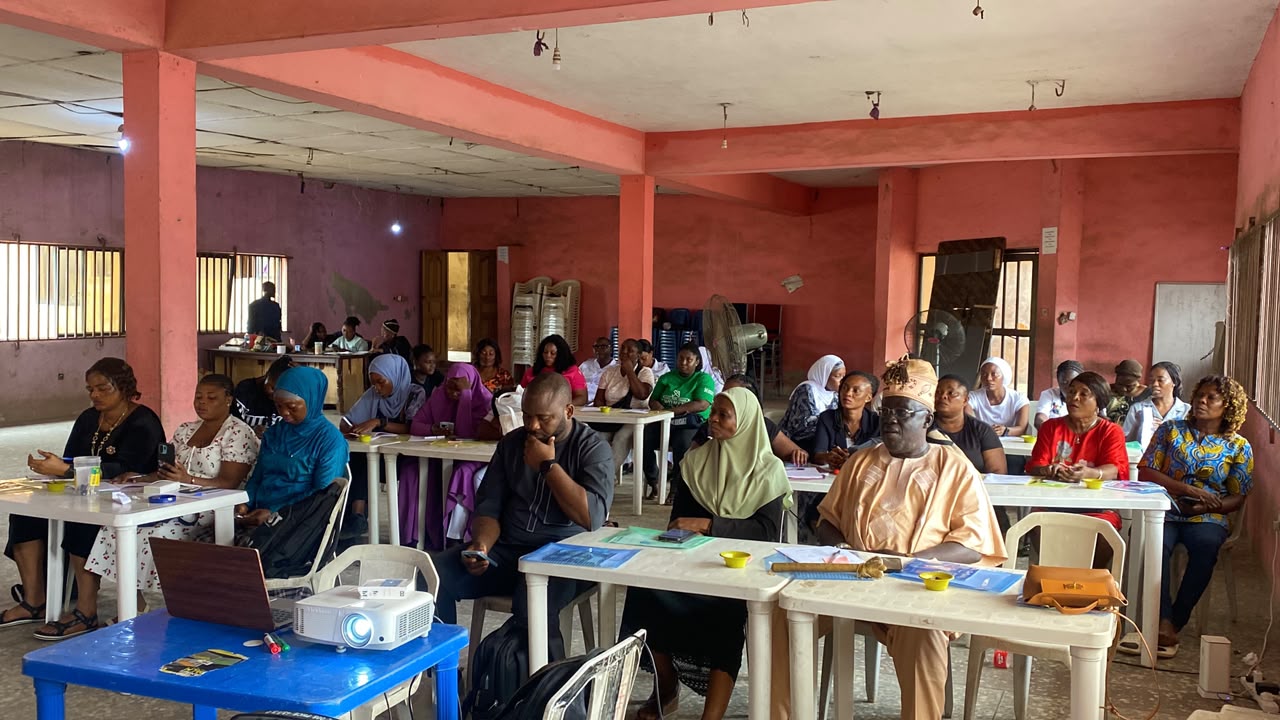
For many women, getting to a health facility is only the first step. The harder question can be what awaits them once they walk through the door. Will they be listened to? Will their privacy be respected? Will they be judged because of their occupation, age or circumstances?
Those questions formed the heart of a one-day sensitisation programme in Agege, Lagos, where health workers, community leaders, peer educators and advocates gathered to discuss how stigma and discrimination can become barriers to healthcare for female sex workers and other vulnerable women.
At the programme, organised by the Ohotu Diamond Women Initiative (ODWI) at the Sango Primary Healthcare Centre Hall, speakers urged healthcare providers to look beyond assumptions and ensure that every woman receives care with dignity, confidentiality and compassion.
“Women may know where to obtain healthcare, but they must also feel safe, respected, accepted and confident when they walk through the doors of a healthcare facility,” said Dr. Margaret Onah-Nnang, ODWI’s project coordinator, in her opening remarks.
The programme was part of ODWI’s AmplifyChange-supported project, Advocating for Reproductive Rights: Ensuring Access to Healthcare and Choice.
The organisation has worked in communities across Agege and Ifako-Ijaiye, mapping communities and brothels, training female sex workers as peer educators and ambassadors, providing information on sexual and reproductive health and strengthening links between vulnerable women and healthcare providers.
But Onah-Nnang said providing information alone was not enough. For women living on the margins of society, she said, the attitude of a healthcare worker could determine whether they seek care in the first place, disclose important information about their health or return for follow-up services.
“A welcoming word, respectful communication, confidentiality and professional conduct can make a significant difference,” she said.
The goal, she added, was not to accuse health workers of discrimination but to create space for “learning, reflection, dialogue and partnership.”
Dr. Blessing Onwuamah, a counsellor with the Blessing Onwuamah Youth Development Initiative, told participants that young people and vulnerable populations often face a range of challenges, from substance abuse and bullying to troubled relationships and family pressures.
She said the absence of parents from children’s lives could also leave young people vulnerable to harmful influences and without the guidance they need.
At the sensitisation programme, however, her focus was on sexual and reproductive health rights and the responsibility of health workers to provide equitable care.
Some healthcare providers, she said, may consciously or unconsciously allow personal judgements to influence how they treat vulnerable people, including female sex workers.
“They forget that these people are still human beings and every human being has human rights,” Onwuamah said.
Health workers, she added, should provide the same quality of care to vulnerable women that they would provide to anyone else. She said the presence of peer educators and traditional community leaders at the programme could help extend the conversation beyond the health facilities.
Through health centres, peer educators and community leaders, she said, information could reach women who might otherwise remain disconnected from essential health services.
According to Dr. Ayomide Fayinto, Programmes and Advocacy Coordinator of the Society of Gynaecology and Obstetricians of Nigeria, Lagos Sector, one major challenge is not simply whether services exist, but whether women know how to reach them.
From discussions with participants, Fayinto said some women had experienced judgemental and non-confidential interactions with healthcare providers, while others did not know where to obtain the services they needed.
He outlined what he described as a four-stage referral pathway: assessment, identifying the appropriate service, making a proper handoff and following up.
A referral, he argued, should not end with simply telling a woman to “go to this place.”
Instead, she should be connected to a specific person or service and supported through the process.
“The majority of people stop in the second stage and just say, ‘This is what you need. Go and find what you need,’” Fayinto said.
“But we are putting it two steps further.”
The final stage, follow-up, could be particularly important in understanding whether a woman was able to access the service and what challenges she encountered along the way.
Fayinto said ODWI, SOGON and the Ministry of Health were working to strengthen such connections, taking into account the locations of women and the specific services they required.
The conversation also turned to unsafe abortion, an issue closely linked to women’s access to reproductive health information and services.
Fayinto said many complications associated with unsafe abortion were preventable, including excessive bleeding, uterine perforation and infection.
He described cases in which women arrived with severe complications after undergoing procedures performed by untrained individuals or with unsterilised equipment.
“The fact that it is even unsafe is what makes it a problem,” he said.
He argued that restrictive abortion laws do not necessarily prevent women from seeking abortions but can contribute to unsafe procedures and their potentially life-threatening consequences.
Fayinto called for legal reform, arguing that it could reduce unsafe abortion and preventable complications.
He also discussed the suspended Standards and Treatment Protocol (STOP) guideline, saying its purpose was not to make abortion available on demand but to guide healthcare providers in determining when services could be provided within the limits of existing law.
His view was that broader legal reform would still be necessary to address the underlying challenges.
For some of the health workers in attendance, the programme was an opportunity to reflect on how their interactions with patients could affect healthcare outcomes.
Nurse Adewonyin Adeayo of Odunmbaku Primary Healthcare Centre in Orile Agege said the discussions had given her greater confidence in dealing with adolescents and young people seeking family planning services.
Young people often arrive at health facilities with different fears and expectations, she said, and healthcare workers may not always know the best approach.
Following the training, however, she said she felt better prepared to ensure that a teenager seeking family planning services would not feel humiliated.
Nurse Ogunnusi Tolulope of Sango Primary Healthcare Centre said the programme had reinforced the importance of creating a welcoming environment for patients.
Some clients, she said, arrive at health facilities uncertain about how they will be received.
Healthcare workers must help them relax, she added, because only then may they feel comfortable enough to explain what they are experiencing.
For the women who attended as ODWI ambassadors, the lessons were equally practical. Alice Odok said she had gained a better understanding of the importance of routine health checks and family planning and hoped to share the information with other women.
Another ambassador, Alice Jimmy, said the programme had helped deepen her understanding of women’s rights and the importance of regular health checks.
The organisers stressed that changing attitudes within the healthcare system could not be the responsibility of one organisation alone.
It would require cooperation between the Lagos State Ministry of Health, healthcare workers, civil society groups, community leaders, peer educators and the women whose lives are directly affected by stigma and discrimination.
For Onah-Nnang, the programme was intended to be the beginning of a continuing conversation rather than a one-day intervention.
“No woman should be afraid to seek healthcare because she expects to be judged,” she said.
“No woman should be denied dignity because of her occupation or circumstances.”
The challenge now, participants suggested, is to carry that message beyond the meeting hall, into clinics, communities and the everyday encounters between women seeking help and the people entrusted with providing it.
For vulnerable women, the difference may begin with something as simple as the way they are received at the door. But it could determine whether they walk in at all.