
By Sarah Manya
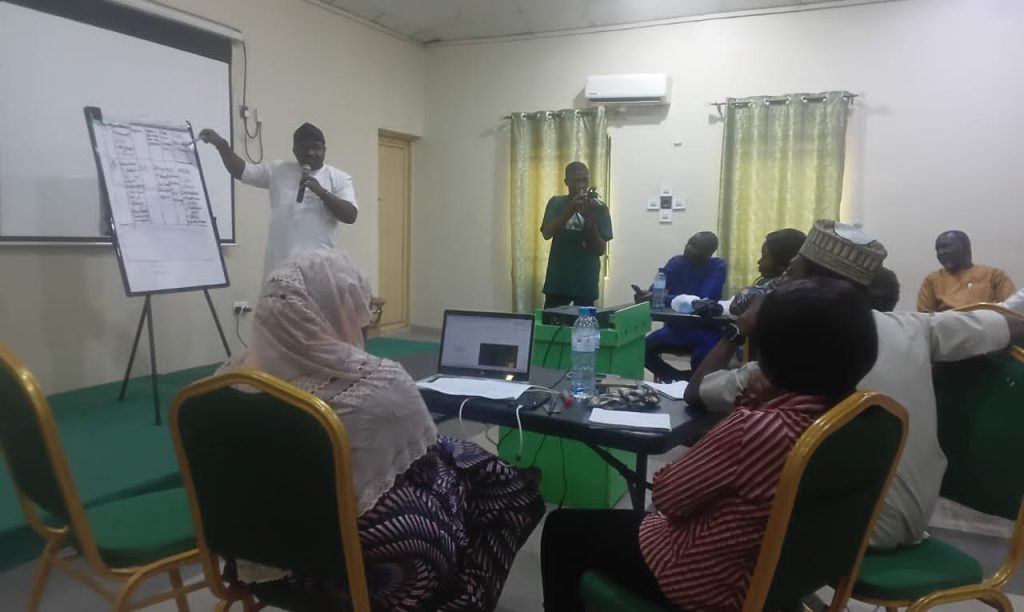
Taraba State has established a new climate accountability platform aimed at strengthening coordination, transparency and citizen participation in tackling the growing impacts of climate change, organisers said after a two-day workshop in the state capital.
The initiative, known as the Taraba Climate Accountability Mechanism (T-CAM), was set up by the civil society group Transparency and Accountability in Totality (Follow-Taxes) with support from the Avina Foundation and the International Climate Resilience Initiative.
The mechanism emerged from a co-creation workshop held from April 22 to 23 in Jalingo under the theme of empowering women care workers in vulnerable communities to strengthen climate resilience and adaptation.
Taraba, a largely agrarian state in northeastern Nigeria, faces mounting environmental pressures including flooding, drought, deforestation and erratic rainfall, which have eroded crop yields and strained rural livelihoods. Officials and stakeholders say the effects are worsening public health risks, including malaria and cholera, while increasing the care burden on women and girls.
The new platform will operate through a multi-stakeholder network bringing together government agencies, civil society groups, traditional leaders, academics and private sector actors to coordinate climate action and improve accountability.
Organisers said the mechanism is designed to bridge gaps between policy and implementation, while aligning state efforts with national and global climate commitments. It will also seek to expand public awareness, promote community-led adaptation strategies and improve access to climate finance.
“It will serve as a sustainability framework for climate and care projects in the state and strengthen engagement between government and citizens,” said Musa Suleiman, head of programmes at Follow-Taxes.
The initiative builds on earlier consultations among stakeholders that evolved into the Taraba Climate Forum, now serving as a foundation for the accountability mechanism.
Participants at the workshop identified key priority areas including agriculture and food security, environmental sustainability, biodiversity restoration, water and sanitation, social inclusion and climate finance.
Officials said the mechanism could help position Taraba to access more funding by improving coordination and demonstrating accountability in climate interventions.
Fidelis Nashuka, the state coordinator for care and climate, described the platform as a “significant step” that could enhance monitoring of projects and attract investment.
Participants also highlighted practical measures such as tree planting, climate-smart agriculture and soil conservation to address deforestation and declining productivity.
The Taraba State Commissioner for Environment and Climate Change, Aisha Barde, was elected as co-chair of the mechanism alongside other representatives from government and civil society.