
Government targets 50% reduction in malaria prevalence and deaths by 2030, down from 2025 levels
By Bunmi Yekini
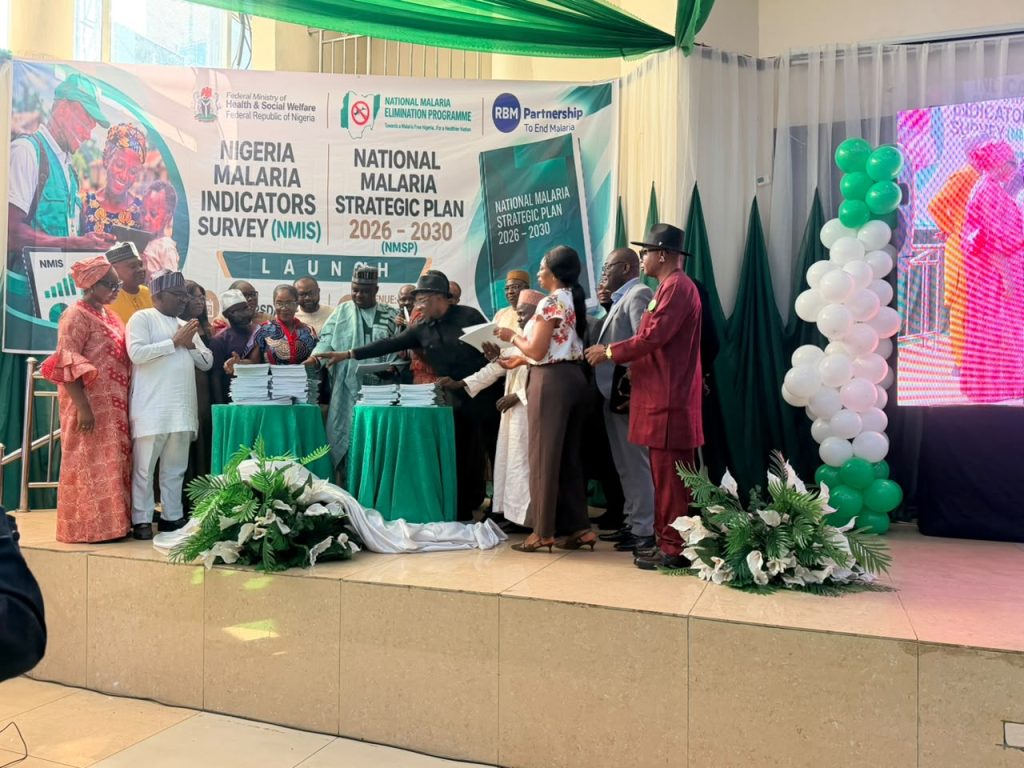
Malaria parasite prevalence among Nigerian children aged six to 59 months fell to 15.2% in 2025 from 22% in 2021, the federal government said on Thursday, setting a target to cut prevalence and malaria-related deaths by 50% by 2030.
Coordinating Minister of Health and Social Welfare Muhammad Ali Pate said the decline represented progress in the country’s fight against malaria but warned that the disease remained a significant public health challenge.
Pate, represented by the ministry’s Permanent Secretary, Daju Kachollom, announced the figures at the launch of the 2025 Nigeria Malaria Indicator Survey and the National Malaria Strategic Plan 2026–2030 in Abuja.
The survey showed a 6.8 percentage-point decline in malaria parasite prevalence among children under five over four years.
Kebbi State recorded a sharper improvement, with prevalence falling to 18% in 2025 from 49% in 2021, Pate said, cautioning that the gains should not be mistaken for the elimination of the disease.
The government’s new strategic plan seeks to reduce malaria prevalence and deaths by half from their respective 2025 levels by 2030, with interventions tailored to the burden of disease in individual states and communities.
The minister said 72.3% of children and 80.6% of pregnant women in households that owned insecticide-treated mosquito nets had slept under one, highlighting the need to improve the consistent use of preventive measures.
Malaria remains a major public health concern in Nigeria, where prevention, early diagnosis and effective treatment are central to efforts to reduce illness and deaths.
The National Malaria Strategic Plan 2026–2030 is aligned with the Nigeria Health Sector Renewal Investment Initiative and will use local epidemiological evidence to direct resources towards areas with the greatest need, the ministry said.
Pate urged state governments to use the survey findings to shape their malaria-control plans and budgets and to release funds promptly. He also called on development partners to align their financial and technical support with national priorities.
National Population Commission Director-General Abuh Muhammed said the survey demonstrated the importance of cooperation between the commission and the National Malaria Elimination Programme in generating reliable data for public health planning.
He urged policymakers and development partners to use the findings to allocate resources more effectively.
The federal government also pledged to strengthen domestic funding, disease surveillance and coordination among stakeholders to sustain progress and reduce malaria-related illness and deaths nationwide.