
Health advocates say stigma and barriers to reproductive healthcare are pushing women towards unsafe abortion, as community outreach offers free family planning and cervical cancer screening.
By Bunmi Yekini
Women’s health advocates in Lagos have urged the state government to reinstate its suspended Standards and Guidelines for the Safe Termination of Pregnancy (STOP), warning that barriers to reproductive healthcare could leave women at risk of unsafe abortion.
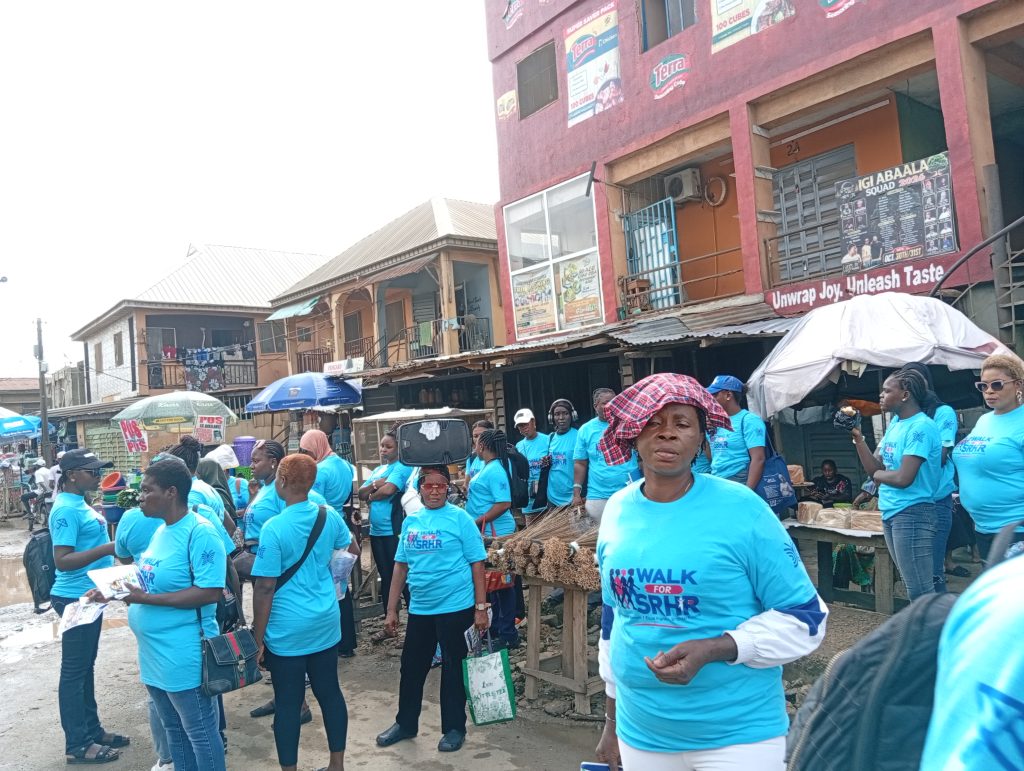
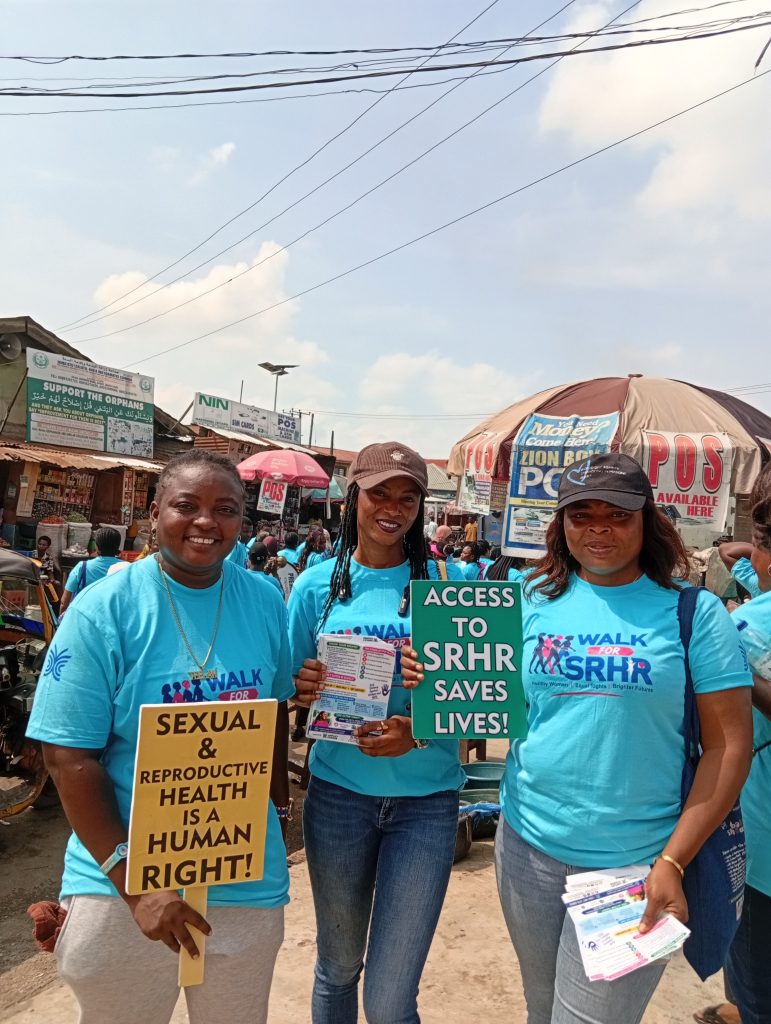
The call was made on Wednesday during a sexual and reproductive health and rights (SRHR) awareness walk organised by the Ohotu Diamond Women Initiative (ODWI) through Oniwaya markets and Dopemu community, in Agege, Lagos.
Dr Margaret Onah-Nnag, the initiative’s project coordinator, said the organisation had encountered women who reported being stigmatised at primary healthcare centres and facing difficulties accessing family planning services.
She said the suspension of the STOP guidelines had not ended abortion but had left women needing clearer guidance on where to seek appropriate medical care.
“People are still doing abortion, which is not safe,” Onah-Nnag said, adding that the initiative was working to improve access to reproductive health information and services.
She said the organisation had previously taken complaints about alleged discrimination and charges for family planning services to the Lagos State Ministry of Health.
According to her, the ministry subsequently directed primary healthcare centres not to charge for family planning services or stigmatise women seeking them.
Onah-Nnag said the initiative’s community outreach had encouraged more women to visit primary healthcare centres for family planning, although further awareness was needed.
She said the awareness walk, which began at Oniwaya Junction and Market and ended at Dopemu Palace, was designed to reach women in markets and neighbourhoods, rather than relying solely on conventional health campaigns.
The exercise featured sensitisation in English, Pidgin, Hausa, Yoruba and Igbo, covering family planning, contraception, sexually transmitted infections, HIV prevention and the dangers of unsafe abortion.
Health workers from Agege primary healthcare centres also provided free family planning services and cervical cancer screening at an outreach stand, while organisers distributed information materials directing women to facilities where they could seek care.
The activities were sponsored by Amplify Change under the Pamoja Project, Onah-Nnag said.
She urged women who suspected they were pregnant to seek medical assessment rather than attempt self-medication or self-induced abortion, warning that unsafe procedures could cause severe complications or death.
She also called on the Lagos State Government to restore the STOP guidelines, saying women needed clear information on the services available to them and where to obtain appropriate care.
Community leaders back awareness campaign
The initiative received support from community leaders, who said educating residents about reproductive health could help prevent avoidable harm.
Julius Olugbenga Olabisi, general secretary of the Dopemu community, said community education was important in helping people understand the consequences of their decisions and seek appropriate care.
He commended the organisers for taking the campaign directly to residents and said community leaders were willing to support efforts to improve public awareness.
High Shuaib Ajani Shitta, the Baale of Dopemu, also welcomed the initiative, praising the organisers for reaching out to the community.
In her welcome address, Onah said the campaign sought to ensure that women could access accurate reproductive health information and healthcare without stigma or discrimination.
She said women should be encouraged to understand their health needs, know their rights and seek medical assistance when necessary.
The campaign also called on men to support their partners’ access to family planning, with Onah-Nnag saying some women had reported that their husbands opposed contraceptive use.
The organisers said continued engagement with community leaders, healthcare workers and residents was necessary to ensure that women could obtain reproductive health services without fear of discrimination.