
By HeapNews
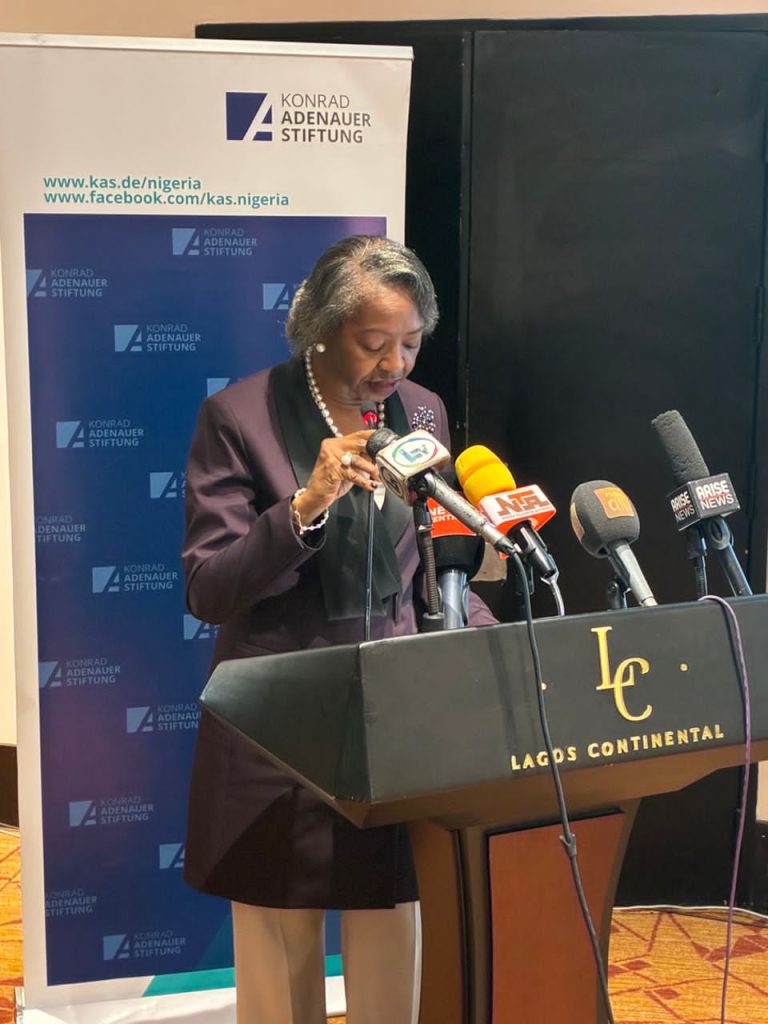
representing the INEC Chairman
Nigeria’s electoral integrity depends heavily on transparent and efficient procurement systems, senior government and election officials said on Monday, warning that failures in sourcing technology, managing vendors and navigating global supply chains could undermine public trust in elections.
Speaking at a three-day capacity-building workshop for officials of the Independent National Electoral Commission (INEC) in Lagos, Director-General of the Bureau of Public Procurement (BPP), Adebowale Adedokun, described procurement as a “national security function” central to credible polls.
“Elections are not just events, they are the foundation of public trust,” Adedokun said, adding that weak procurement processes could turn technical failures into political crises.
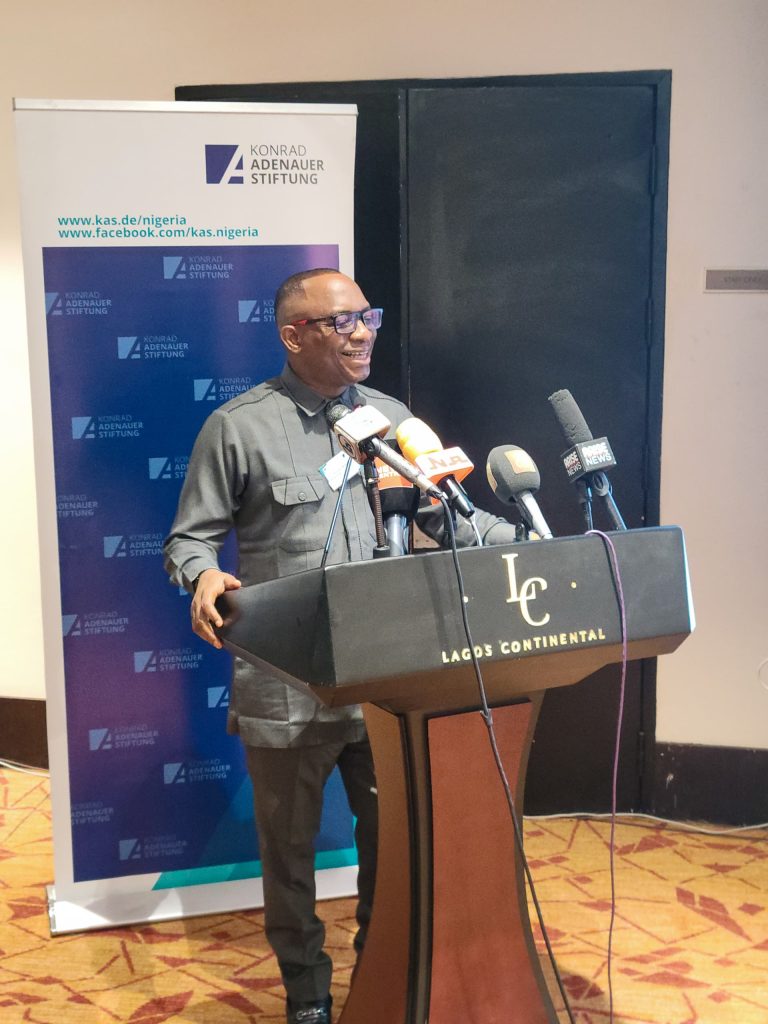
Bureau of Public Procurement (BPP)
He pointed to risks including faulty election technology, over-reliance on single vendors and disruptions to global supply chains, noting that each could derail tightly scheduled electoral operations. Poorly specified contracts or fragile equipment, he said, could erode voter confidence if systems fail on election day.
Nigeria is undertaking sweeping procurement reforms under the government’s economic agenda, aimed at improving transparency, boosting competition and accelerating digital adoption. Measures include expanded use of e-procurement platforms, open contracting data and stricter oversight mechanisms.
According to Adedokun, enhanced price benchmarking has already generated savings exceeding 1.1 trillion naira within a year, underscoring the financial impact of tighter controls.
He also stressed the need to reduce vendor dependency by promoting multi-supplier frameworks and encouraging local participation, in line with policies prioritising domestic production and capacity building.
Global supply chain shocks, from pandemics to geopolitical tensions, have further exposed vulnerabilities in election logistics, affecting everything from ballot materials to accreditation devices, he added. Early planning and supplier diversification are critical to mitigating such risks.
At the opening session, Tobias Ruettershoff of the Konrad Adenauer Stiftung said procurement remains one of the most “fragile” functions in public institutions, particularly under time pressure and external influence.
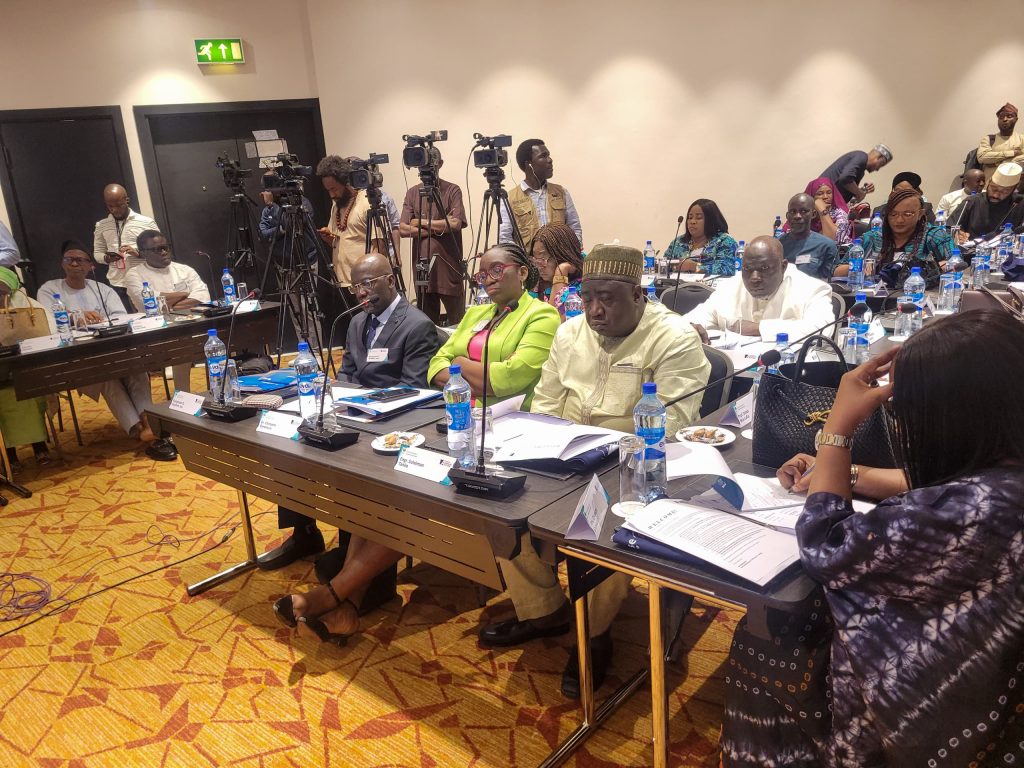
“Procurement is where public resources are translated into outcomes, and where risks are most acute,” he said, urging continuous training to strengthen institutional resilience.
INEC Chairman Joash Amupitan, represented at the event, said recent amendments to Nigeria’s electoral law had shortened timelines for election preparation, increasing pressure on procurement systems to deliver with “speed and precision.”
The commission has scheduled presidential and parliamentary elections for January 16, 2027, followed by state polls in February, under a compressed timetable that officials say heightens the importance of efficient planning and execution.
Participants at the workshop are expected to focus on improving procurement practices as part of broader efforts to safeguard the credibility of Nigeria’s democratic process.